Common questions
How much does an electrician cost in Broomfield?
Published national guides put electricians commonly at $50 to $100 or more per hour plus a service or trip fee, with small jobs (a device replaced, a fault traced) often landing between $150 and $400 all in. By the project: breaker panel replacement commonly runs $1,300 to $3,000, a generator interlock or transfer switch hookup $500 to $1,500, whole home surge protection a few hundred dollars installed, and whole home standby generators $10,000 to $15,000 or more installed. Written pricing after the assessment, with permit costs stated, is the number to compare.
My breaker keeps tripping. What does it mean, and can I just keep resetting it?
A breaker trips for three reasons: the circuit is genuinely overloaded, there is a short or ground fault on it, or the breaker itself has failed. Resetting once after unplugging loads is reasonable diagnostics. A breaker that trips instantly, trips with nothing running, or feels warm is reporting a fault, and repeatedly forcing it is how a protection device becomes a fire starter. The tracing order is panel, then the circuit's devices and junctions, and the finding is usually a specific device, a damaged conductor, or an appliance confessing. That visit is a repair, not a mystery.
Lights flicker across my whole house. Is it my panel or the utility?
Whole house flicker under load (when the AC or a large appliance starts) points at the service: the connections at the meter, the mast, or the utility's own feed and neutral. A failing utility neutral is the serious version and it is the utility's repair, free to you, but it must be reported and it can damage electronics while it lasts. Flicker on one circuit is the home's side: a loose connection at a device or in the panel. An assessment that meters the service under load separates the two in one visit, and honest electricians check the utility side before quoting you a panel.
Does homeowners insurance cover electrical work in Broomfield?
Sudden accidental damage is the covered kind: a lightning strike that kills the panel and appliances, storm damage to the service mast, a vehicle strike, fire damage. Wear, corrosion, obsolete equipment, and capacity upgrades for new loads are the owner's cost everywhere, even when they are wise spending. After a lightning event, document everything electrical that failed in the house on the same day; the pattern across devices is what ties a claim together. Panel upgrades sometimes matter to insurers in the other direction: replacing a known problem panel can be a condition of coverage on older homes, which your agent can confirm.
Is a 200 amp panel upgrade worth it in an older Broomfield home?
When the loads argue for it, yes; as a fashion, no. The honest triggers are concrete: no open breaker spaces with double tapped breakers making room, a generator, EV, hot tub, or addition planned, breakers warm or tripping under ordinary use, or a panel brand and era with a documented failure record. A 100 amp service running a small efficient home comfortably is not a problem to buy your way out of. The quote should state the load reasoning, the permit, and the grounding work included; a panel price without those is half a job.
What is the safe way to run a portable generator for my Broomfield home?
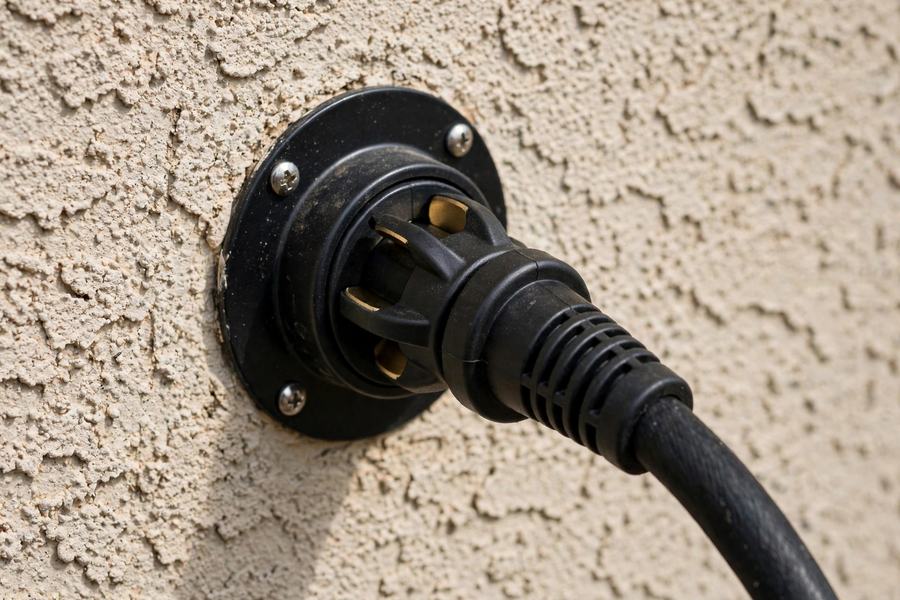
Through an interlock kit or a transfer switch, full stop. Both connect the generator to chosen circuits through the panel and mechanically prevent power from ever flowing backward onto the street, where it can injure or kill a line worker restoring your neighborhood. Published guides put the hookup at $500 to $1,500 installed depending on method and distance. The two fatal shortcuts are the dryer outlet backfeed cord and running the generator in a garage; outage season produces carbon monoxide deaths every year from the second one alone. Generator outside, 20 feet from windows, feeding an inlet: that is the whole safe pattern.
My GFCI outlet keeps tripping. Is it the outlet or something real?
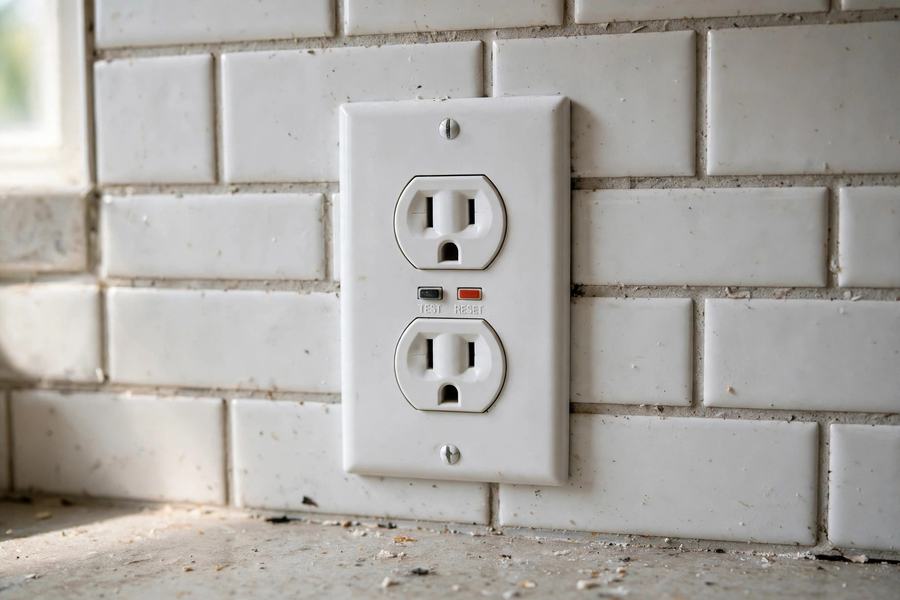
Both are possible and the order of suspicion matters. A GFCI that trips with nothing plugged in and will not hold a test is often a tired device, and replacement settles it. A GFCI that trips when a specific appliance runs, or after rain at outdoor and dock locations, is reporting ground leakage from that appliance or water in a box, which is the device doing its exact job. At docks and pools, treat every trip as real until an assessment says otherwise, and keep people out of the water near a faulting circuit.
My home has aluminum wiring. Do I need to rewire the whole house?
Not automatically, and anyone who says so without opening devices is skipping the assessment. Aluminum branch wiring from the late 1960s and 1970s fails at connections, not mid-run, and the approved remedies work at the connections: devices rated for aluminum, or copper pigtails with listed connectors installed by an electrician, at a fraction of whole house rewiring. The evidence that decides is at the devices: overheated, discolored, or loose aluminum connections argue for the full remedy program; clean, tight, properly rated connections argue for a monitored plan. Get the device level findings in writing either way.
See all questions →
Local guides